

Table of Contents
- Why Breathable Activewear Matters for Hot Yoga
- Best Fabric for Hot Yoga Classes
- What to Wear to Hot Yoga: Tops and Bottoms
- Fit, Coverage, and Transparency: What Actually Works
- How to Wash Yoga Clothes to Extend Lifespan
- Building Your Hot Yoga Outfit: Mix and Match Essentials
- Frequently Asked Questions
Last Updated: October 21, 2026
Why Breathable Activewear Matters for Hot Yoga
When you step into a heated room for breathable activewear hot yoga, your body immediately starts working harder than it would in a standard class. The combination of internal heat generation and external room temperature creates an intense sweat response. What you wear directly affects how well your body manages that moisture and maintains focus on your practice.
Breathable activewear hot yoga apparel isn't just about comfort, it's about performance. The right fabric choice determines whether sweat clings to your skin or moves away from it. Cotton absorbs moisture and holds it against your body, creating a heavy, uncomfortable layer.
This matters because moisture-wicking fabrics reduce distractions during practice. You're not constantly adjusting fabric that's sticking to you. Your mind stays on alignment and breath instead of on discomfort. The right outfit also prevents chafing and skin irritation during intense movement, and it helps regulate your core temperature more effectively as sweat evaporates.
At Shop What If, the right fabric choice dramatically improves the hot yoga experience. When practitioners switch from cotton to properly engineered synthetic blends, they often experience better focus, fewer wardrobe adjustments mid-class, and clothes that feel fresh after washing rather than retaining odor.
Best Fabric for Hot Yoga Classes
The fabric you choose is the foundation of your entire hot yoga outfit. Not all fabrics perform equally in heated environments, and understanding the differences helps you make purchases that actually work for your practice.
Synthetic Fabrics That Wick Moisture
Polyester, nylon, and spandex blends dominate performance activewear for good reason. These synthetic materials have a fundamental advantage: they don't absorb water the way natural fibers do. Instead, they move moisture away from your skin through capillary action, which allows sweat to spread across a larger surface area and evaporate faster.
High-quality synthetic blends typically combine polyester or nylon with 15-20% spandex for stretch and recovery. The polyester or nylon handles moisture management while the spandex provides the four-way stretch that yoga demands. Look for fabrics labeled as moisture-wicking, quick-drying, or performance-grade.
Many practitioners find that nylon-based fabrics offer slightly better breathability than pure polyester, while polyester provides better durability and color retention. The best choice depends on whether you prioritize airflow or longevity. For hot yoga specifically, breathability often wins because ventilation directly impacts comfort during intense practice.
Shop What If's performance activewear collection uses synthetic blends engineered for moisture management and durability, so your pieces maintain their performance through regular washing and sweaty sessions.
Why Cotton Fails in a Heated Room
Cotton is breathable in the sense that air passes through it easily. But breathability and moisture-wicking are different properties. Cotton absorbs water, it can hold up to 27% of its weight in moisture without feeling wet to the touch. In a heated yoga room, this becomes a liability.
When you sweat in cotton, the fabric absorbs that moisture and holds it against your skin. Your body then has to work harder to cool itself because the fabric isn't allowing sweat to evaporate efficiently. Cotton also takes much longer to dry than synthetic fabrics, which means it stays damp and heavy throughout class and beyond.
Cotton also tends to retain odor more stubbornly than synthetics. The fibers absorb sweat and bacteria, and even after washing, the smell often returns after a few wears. This is why experienced hot yoga practitioners universally avoid cotton for their practice wear.
Blended fabrics with small amounts of cotton (less than 10%) can work if the majority of the blend is synthetic, but pure cotton or high-cotton blends will underperform in a heated environment.
What to Wear to Hot Yoga: Tops and Bottoms
Building an effective hot yoga outfit means choosing pieces that work together and meet specific performance criteria. The right combination balances support, coverage, and airflow.
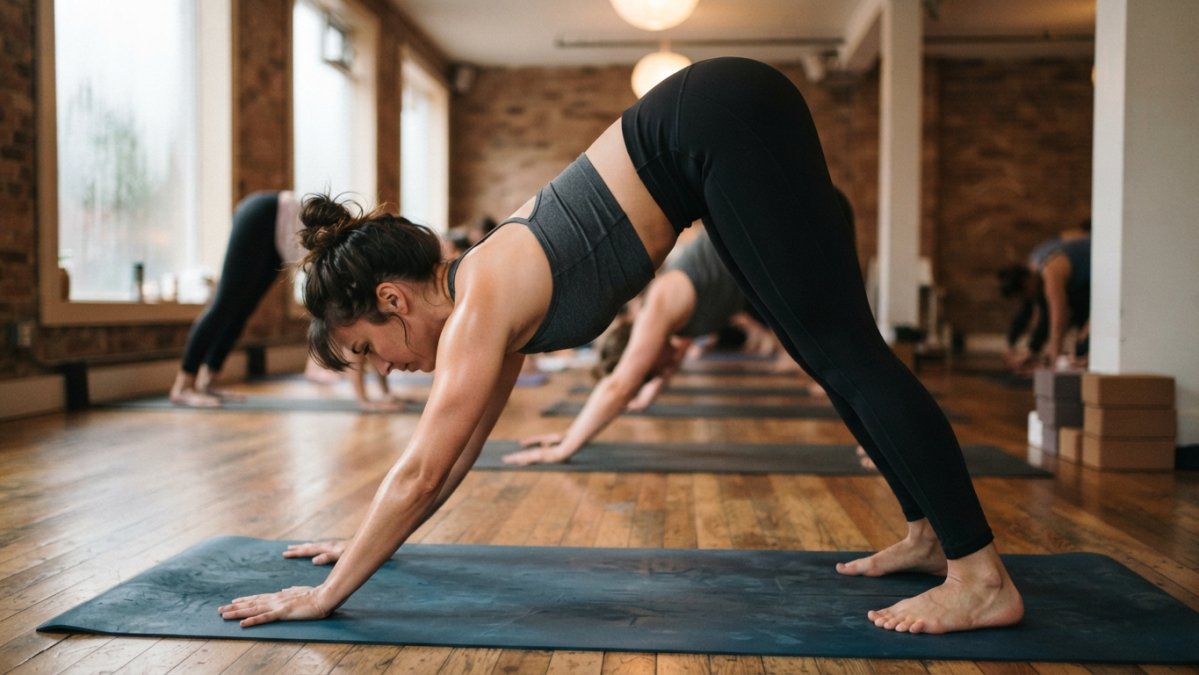
Sports Bras and Crop Tops for Support
Your top needs to provide enough support for active movement while allowing maximum ventilation. In a heated room, you need fabric that won't trap heat against your chest and back.
Sports bras designed for yoga should offer medium to high support depending on your needs. Look for removable padding so you can adjust support level and wash pads separately. Straps should be positioned to stay in place during forward folds and inversions, cross-back designs tend to perform better than standard straps during these movements.

Crop tops work well for hot yoga because they expose your midriff, allowing better cooling and unrestricted movement. Choose fitted styles rather than loose ones, as loose fabric can shift during poses and become distracting. The fit also helps you see your alignment without fabric bunching up.
The Studio-Quality Cross-Back Performance Sports Bra from Shop What If features removable pads and moisture-wicking fabric specifically designed for heated practice. The cross-back design keeps straps stable during forward bends and inversions, and the supportive fit works for yoga, Pilates, and everyday active wear. At $32.00, it pairs well with matching performance shorts to create a coordinated outfit.
Hot Yoga Leggings vs. Shorts
The choice between leggings and shorts comes down to personal preference, but both should prioritize fit and opacity. Your bottoms need to stay in place during inversions and deep stretches without shifting or becoming transparent.
High-waisted designs are generally better for yoga because they stay put during forward folds and provide coverage and support through your core. Look for leggings or capris with four-way stretch, which allows movement in all directions without restricting your practice.
Shorts work well if you prefer more airflow and less fabric coverage. Choose fitted, compression-style shorts rather than loose athletic shorts, which can ride up or shift during poses.
Opacity matters significantly. Test any new piece by bending forward deeply before purchasing if possible. Fabric that looks opaque standing up can become see-through when stretched. High-quality synthetic blends with proper density maintain opacity even during deep stretches.
The Studio-Quality High-Waisted Performance Shorts from Shop What If offer four-way stretch with sculpting compression and moisture-wicking fabric. The high-rise waistband stays in place during all movements, and the fitted design works equally well for yoga, Pilates, or everyday wear.
Fit, Coverage, and Transparency: What Actually Works
The most expensive, highest-quality fabric won't help if your outfit doesn't fit properly. Fit determines whether your clothes stay in place, provide adequate coverage, and move with your body rather than against it.
Fitted activewear designed for yoga should feel snug without restricting movement or circulation. There's a difference between compression (which supports muscles) and tightness (which limits range of motion). Your outfit should compress slightly without cutting off blood flow or making you feel restricted in deep poses.
STUDIO-QUALITY CROSS-BACK PERFORMANCE SPORTS BRA →
Coverage needs align with personal preference, but most practitioners want enough fabric to feel secure during inversions. High-waisted bottoms with longer tops or sports bras that extend to your natural waistline provide the most coverage and confidence during practice.
Transparency testing is essential before committing to new pieces. Many fabrics that appear opaque in normal lighting become see-through when stretched. Bend forward, do a deep lunge, and move through your typical yoga sequence in fitting room lighting.
A common mistake is buying activewear that's too large, thinking it will be more comfortable. Oversized pieces actually shift more during practice, create bunching, and reduce support. Proper fit means your clothes move with you, not against you.
| Fit Criterion | What Works | What Doesn't |
|---|---|---|
| Waistband | High-rise, stays in place during folds | Low-rise, slides down during inversions |
| Inseam (shorts) | 5-7 inches, fitted compression | Loose, long, baggy athletic style |
| Top fit | Snug without restricting breath | Loose, shifts during poses |
| Fabric stretch | Four-way stretch, recovers quickly | Limited stretch, loses shape |
| Opacity | Maintains under deep stretches | Becomes transparent when bent |
How to Wash Yoga Clothes to Extend Lifespan
Proper washing extends the life of your activewear significantly. The right care routine keeps moisture-wicking fabrics performing at their best and prevents premature wear.
Wash activewear in cold water after every wear, especially after hot yoga when sweat and bacteria have accumulated. Hot water can damage synthetic fabrics and set in odors rather than removing them. Use a gentle cycle and avoid fabric softener, which coats fibers and reduces moisture-wicking ability.
Turn pieces inside out before washing to reduce pilling and fading on the exterior. This protects the outer surface where you see wear first. Zip any zippers and close any velcro closures to prevent snagging.
Use a sports-specific detergent or regular detergent in smaller amounts than you'd use for regular laundry. Excess detergent leaves residue on synthetic fibers and reduces their performance. Some practitioners swear by vinegar rinses to remove odor, but this isn't necessary if you wash promptly after wearing.
Avoid the dryer. Heat damages synthetic fabrics and can cause permanent shrinking. Hang pieces to air dry instead. Most activewear dries within 2-4 hours when hung in a well-ventilated space.
Managing Odor and Sweat Buildup
Odor in activewear typically comes from bacteria that accumulate in fabric fibers. The key to managing it is preventing bacteria from settling in the first place.
Wash pieces immediately after wearing rather than letting them sit in a gym bag or hamper. Bacteria multiply in warm, moist environments, and even a few hours of delay can allow odor to set in. If you can't wash immediately, hang the piece to dry first so it's not sitting wet.
Some fabrics retain odor more stubbornly than others. Lower-quality synthetic blends with higher cotton percentages tend to hold odor longer. Premium performance fabrics with high polyester or nylon content release odor more easily during washing.
If odor has already set in, soak pieces in cold water with vinegar for 30 minutes before washing. The acidic environment helps break down odor-causing bacteria. Alternatively, some practitioners use baking soda soaks or sports-specific odor-removal products designed for athletic wear.
Drying completely between wears is essential for odor prevention. Damp fabric in your gym bag or closet creates ideal conditions for bacterial growth. Always hang pieces to dry fully before storing them.
Building Your Hot Yoga Outfit: Mix and Match Essentials
Creating a functional hot yoga wardrobe doesn't require dozens of pieces. A few well-chosen essentials in complementary colors allow endless mix-and-match combinations.
Start with two sports bras or crop tops in neutral colors like black, navy, or white. These work with any bottoms and provide backup while one piece is washing. Add two pairs of leggings or shorts in coordinating colors.
Choose colors and styles that work for both yoga and everyday wear. Pieces that transition from studio to coffee shop to grocery store maximize the value of your investment.
Invest in quality over quantity. Better fabrics maintain their moisture-wicking properties longer, resist pilling and fading, and feel better against your skin through hundreds of wears.
Consider your local climate and practice style when building your base. If you practice hot yoga three times weekly, you need enough pieces to rotate without washing every single day.
The Sculpt V-Waist Performance Shorts from Shop What If pair beautifully with any sports bra for a coordinated look.
Choosing the right breathable activewear for hot yoga classes comes down to understanding how fabric performs under heat and sweat, then building an outfit that supports your practice.
Frequently Asked Questions
What fabric is best for hot yoga?
Synthetic moisture-wicking fabrics like polyester blends, nylon, and spandex perform best in heated rooms. These materials pull sweat away from your skin and dry quickly, keeping you comfortable during practice. Cotton absorbs sweat instead of wicking it, leaving you wet and heavy. Look for fabrics labeled moisture-wicking or quick-drying on activewear designed for hot yoga classes.
Should you wear cotton to hot yoga?
No. Cotton absorbs moisture and holds sweat against your skin, making it uncomfortable in a heated room. It also takes longer to dry and can feel heavy when wet. Breathable activewear made from synthetic blends or performance fabrics will keep you dry and supported throughout your practice.
How do you wash yoga clothes after sweaty sessions?
Wash yoga clothes in cool water with mild detergent after each wear to prevent odor and sweat buildup. Turn leggings inside out before washing to reduce pilling. Skip fabric softener, which reduces moisture-wicking ability. Air-dry your pieces when possible instead of using high heat in the dryer, which can damage elastic and degrade the fabric's performance over time.
Are hot yoga leggings or shorts better?
It depends on your preference and the heat level of your class. Full-length hot yoga leggings provide maximum coverage and support, making them ideal for intense heated practices. Shorts or capris offer more ventilation and freedom of movement if you prefer less fabric. Choose fitted styles in moisture-wicking material regardless of length to prevent slipping during poses.