

Table of Contents
- Best Sustainable Fabrics for Activewear: Performance Meets Planet
- Eco-Friendly Fabrics for Sportswear: The Quick Comparison
- Recycled Polyester Activewear: High Performance, Real Trade-Offs
- Organic Cotton Workout Clothes: Soft, Breathable, and Best for Low-Sweat Sessions
- Natural Fibers That Perform: Hemp, Merino Wool, and TENCEL™
- Non-Toxic Activewear Fabrics: Certifications That Actually Verify Claims
- Microfiber Shedding, End-of-Life, and Fiber Blends: What Most Guides Skip
- Conclusion: Choosing the Right Sustainable Fabric for Your Workout
- Frequently Asked Questions
Last Updated: October 12, 2026
Best Sustainable Fabrics for Activewear: Performance Meets Planet
The best sustainable fabrics for activewear balance workout performance with a lower environmental footprint, and the right choice depends on your activity, sweat level, and how the garment will be washed.
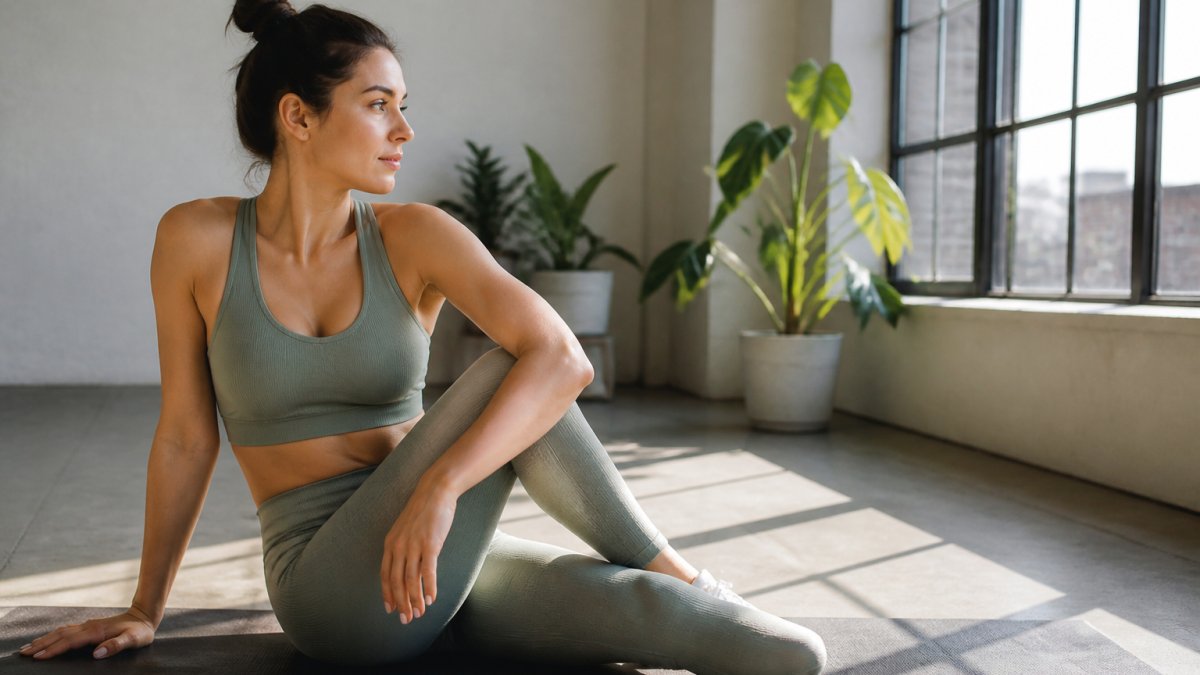
Here is the honest version most guides skip: "sustainable" describes a trade-off, not a guarantee.
This guide compares the leading options side by side, covers certifications that actually verify claims, and addresses the two topics competitors avoid: microfiber shedding and end-of-life.
Eco-Friendly Fabrics for Sportswear: The Quick Comparison
Eco-friendly fabrics for sportswear fall into three families: recycled synthetics, natural fibers, and regenerated cellulosics. Each wins on different criteria, and none wins on all of them.
| Fabric | Best For | Moisture Handling | Main Trade-Off |
|---|---|---|---|
| Recycled polyester | High-sweat training | Excellent wicking | Sheds microfibers |
| Organic cotton | Yoga, low-sweat | Absorbs, dries slowly | Heavy when wet |
| Hemp | Durability, odor | Moderate | Coarser feel |
| Merino wool | Temperature regulation | Excellent | Higher cost, delicate |
| TENCEL™ lyocell | Breathability, softness | Good | Less compression |
A common mistake is assuming "natural" always beats "synthetic." For a hot yoga class, recycled polyester's sweat-wicking and quick-drying performance usually wins. For a restorative session, organic cotton's breathability feels better against skin.
Recycled Polyester Activewear: High Performance, Real Trade-Offs
Recycled polyester activewear delivers the stretch, compression, and shape retention that performance training demands, which is why it dominates leggings and sports bras. It is made by melting down recycled plastics, typically PET bottles, into new fiber.
The performance case is strong. Recycled polyester holds four-way stretch, resists wrinkles, and dries fast. Our Studio-Quality Cross-Back Performance Sports Bra uses moisture-wicking fabric for exactly this reason.

The trade-off is real: washing releases microfibers. More on that below.
Organic Cotton Workout Clothes: Soft, Breathable, and Best for Low-Sweat Sessions
Organic cotton workout clothes are the best choice for yoga, Pilates, and low-sweat movement because the fiber is soft, breathable, and free of the pesticide residue associated with conventional cotton. Organic cotton jersey and organic cotton interlock are the two common knits.
Where cotton struggles is heavy sweat. It absorbs moisture rather than moving it away, so it gets heavy and dries slowly. For a vinyasa flow or a walk, that is fine. For interval training, it is not.
Natural Fibers That Perform: Hemp, Merino Wool, and TENCEL™
Natural fibers that perform beyond cotton include hemp, merino wool, and regenerated cellulosics like TENCEL™ lyocell, bamboo, and cupro. Each handles moisture and temperature differently.
- Hemp: Durable and naturally odor-resistant, but coarser against skin.
- Merino wool: Regulates temperature and resists odor, ideal for variable climates. Costs more and needs gentle washing.
- TENCEL™ lyocell: Made from wood pulp in a closed-loop process, it is soft and breathable with good moisture management.
Non-Toxic Activewear Fabrics: Certifications That Actually Verify Claims
Non-toxic activewear fabrics are verified through third-party certifications, not marketing language. "Non-toxic" is not a regulated term in the United States, so the label alone means nothing, and the Federal Trade Commission can pursue brands that make unsupported environmental claims under its Green Guides. The useful move is knowing what each certification actually covers, and what it leaves unproven.
What each certification verifies, and what it does not
- OEKO-TEX Standard 100 tests the finished garment (or its components) for harmful substances like certain azo dyes, formaldehyde, heavy metals, and pesticide residues, against limit values that vary by product class. It does not verify that the fiber is organic, that the factory treats workers fairly, or that the garment is recyclable. A polyester legging can carry Standard 100 and still shed microfibers.
- GOTS (Global Organic Textile Standard) covers organic cotton from farm to finished garment, including fiber content thresholds, restricted chemicals, wastewater treatment, and social criteria. It does not apply to synthetic fibers, and it does not measure a garment's carbon or water footprint.
- bluesign focuses on chemical management and input screening across the supply chain, which is why it shows up on synthetics and blends. It does not certify the fiber as recycled or organic, and it does not address end-of-life.
- GRS (Global Recycled Standard) verifies recycled content and chain of custody, plus some chemical and social requirements. It does not guarantee the garment is recyclable after use, and it does not test for microfiber shedding.
- Cradle to Cradle Certified goes further than most, scoring material health, material reuse, renewable energy, water stewardship, and social fairness on a tiered scale. It is less common in activewear, and a low tier does not mean a low-impact garment.
- PFAS-free claims matter for water-repellent finishes, since many durable water repellents historically relied on per- and polyfluoroalkyl substances. A brand can say "PFC-free" while still using a different fluorinated chemistry, so read the specific claim.
How to read a label in practice
A single garment often carries two or three of these marks, and that stacking is the signal worth trusting. A recycled polyester sports bra with both GRS and OEKO-TEX Standard 100 tells you the recycled content is verified and the finished fabric passed chemical testing, but it still tells you nothing about shedding or recyclability. Treat certifications as a floor, not a ceiling.
When a label says "eco-friendly," ask which certification backs it, and then ask what that certification does not cover.
Microfiber Shedding, End-of-Life, and Fiber Blends: What Most Guides Skip
Microfiber shedding is the biggest unspoken problem with synthetic activewear, and it is also the topic most guides avoid because the answer is uncomfortable: there is no way to make a synthetic garment shed zero fibers. The goal is to understand the mechanism and reduce the load.
STUDIO-QUALITY CROSS-BACK PERFORMANCE SPORTS BRA →
How shedding actually works
Synthetic fabrics, recycled polyester included, are made of continuous plastic filaments. Mechanical and chemical stress during washing breaks small fragments off those filaments. Agitation, heat, detergent, and longer wash cycles all increase release.
Natural fibers shed too, but the comparison is not apples to apples. Cotton, hemp, and wool also release fibers in the wash, and those fibers are biodegradable.
Blends complicate both performance and disposal.
Practical ways to reduce shedding
- Wash less often, and spot-clean between wears. Every skipped wash is a skipped shed cycle.
- Use a microfiber-catching wash bag or an in-line filter. These capture a portion of released fibers before they reach wastewater; they reduce, but do not eliminate, release.
- Choose front-loading machines with lower agitation and shorter cycles. Top-loaders with aggressive agitators tend to release more.
- Wash cold and skip the dryer. Heat and tumbling break down fibers and increase pilling, which is shedding you can see.
- Fill the load. A full drum means less friction per garment than a small, tumbling load.
End-of-life: what actually happens to the garment
Most curbside recycling programs do not accept textiles, and most municipal composters do not accept blended fabrics. That leaves three realistic paths:
- Textile take-back programs run by brands or retailers, which sort and either resell, downcycle into insulation and wiping cloths, or, for single-fiber synthetics, feed mechanical recycling.
- Fiber-to-fiber recycling, which is growing but still limited by blend complexity. Single-fiber polyester and single-fiber cotton are the easiest inputs; elastane and mixed blends are the hardest.
- Composting, which works only for 100% natural, untreated fibers and is rarely available for activewear because stretch requires elastane.
When you buy, favor higher recycled content, simpler blends, and garments you will actually wear for years. Then wash them carefully, because the wash is where most of the environmental cost of synthetic activewear is paid.
Conclusion: Choosing the Right Sustainable Fabric for Your Workout
The right sustainable fabric depends on your workout, not a universal ranking. Recycled polyester for high-sweat training, organic cotton for low-sweat sessions, and merino or TENCEL™ for temperature regulation. Match the fiber to the activity, verify claims with certifications, and wash synthetics carefully to limit shedding.
At Shop What If, we design studio-quality pieces for yoga, Pilates, and everyday movement, with moisture-wicking fabrics and four-way stretch built for real sessions. [Explore our Elite Performance Leggings](https://shopwhatif.com/products/elite-performance-leggings) and Studio Quality High-Waisted Performance Shorts to build a wardrobe that performs and lasts.


Frequently Asked Questions
What are the most environmentally friendly fabrics to wear for workouts?
It depends on how you define environmental impact. Recycled polyester reduces reliance on virgin petroleum and keeps plastic bottles out of landfills, but it still sheds microfibers when washed. Organic cotton uses less water and no synthetic pesticides, though it dries slowly during sweaty sessions. TENCEL™ lyocell comes from responsibly sourced wood pulp in a closed-loop process that recaptures most solvents. Hemp needs minimal water and pesticides. The most sustainable choice is often the garment you wear longest, so prioritize durability and care.
Is recycled polyester a good choice for workout clothes?
Yes, for high-sweat activities. Recycled polyester activewear wicks moisture, dries quickly, and holds its shape through repeated washes, which is why it dominates performance leggings and sports bras. The main drawback is microfiber shedding: every wash releases tiny plastic fibers into waterways. You can reduce shedding by washing in a Guppyfriend bag, using cold water, and running full loads. Look for certifications like Global Recycled Standard (GRS) to verify recycled content claims.
Is organic cotton suitable for activewear?
Organic cotton works well for low-intensity activities like yoga, Pilates, and walking. It breathes, feels soft against sensitive skin, and carries no pesticide residue. However, it absorbs sweat rather than wicking it away, so it stays wet longer during intense cardio or hot yoga. Look for organic cotton jersey or interlock blends with a small percentage of elastane for stretch. For high-sweat workouts, pair cotton tops with moisture-wicking bottoms.
How can I tell whether an activewear fabric is genuinely sustainable?
Check for third-party certifications, not brand claims. GOTS verifies organic cotton from farm to finished garment. GRS verifies recycled content in polyester and nylon. OEKO-TEX Standard 100 tests for harmful substances like PFAS, heavy metals, and formaldehyde. bluesign® certifies chemical safety across the supply chain. Fair Trade certification confirms ethical labor. A brand that lists specific certifications with certificate numbers is more credible than one using vague terms like 'eco-friendly' or 'green.'
Are synthetic fabrics in activewear bad for your skin?
Not inherently. The concern is chemical residues left from manufacturing, not the fiber itself. Fabrics certified to OEKO-TEX Standard 100 have been tested for harmful substances and are safe for sensitive skin. If you react to synthetic fabrics, the culprit may be dyes, finishes, or tight-fitting garments trapping sweat. Non-toxic activewear fabrics with certification labels reduce that risk. For very sensitive skin, organic cotton or TENCEL™ lyocell blends are gentler options.
What are the pros and cons of natural-fiber activewear?
Natural fibers like organic cotton, hemp, and merino wool breathe well, resist odors, and come from renewable sources. Merino wool regulates temperature and wicks moisture without feeling clammy. Hemp is durable and gets softer with washing. The downsides: cotton dries slowly, hemp has limited stretch on its own, and merino costs more and requires careful washing. Natural fibers also lack the compressive hold that many people want in leggings and sports bras, so blends with elastane are common.
Which sustainable fabrics work best for high-sweat activities like running or hot yoga?
Recycled polyester and recycled nylon blends with elastane handle sweat best. They wick moisture, dry fast, and maintain shape retention through intense movement. Merino wool is a strong natural alternative: it regulates temperature, resists odor, and stays warm even when damp. TENCEL™ lyocell blends offer breathability and a soft feel for moderate-intensity sessions. Avoid 100% organic cotton for high-sweat workouts because it holds moisture and can feel heavy when soaked.
Do sustainable activewear fabrics last as long as conventional ones?
Performance depends on fabric weight (GSM), construction quality, and how you care for the garment. Recycled polyester with a higher GSM and four-way stretch typically holds up as well as virgin polyester. Organic cotton jersey can pill faster if it's thin, so look for interlock knits with a denser weave. Wash in cold water, air dry when possible, and avoid fabric softener to extend garment longevity. A well-made sustainable piece should stay in rotation for years, not months.